

Ask someone to picture tile and they may imagine a familiar square pattern stretching across a kitchen or bathroom. But tile has never really been limited to one look. Its enormous range of shapes, scales, textures, colors, and patterns makes it one of the most adaptable materials in interior design.
The interesting part is not simply having more choices. It is understanding what those choices can do to a room.
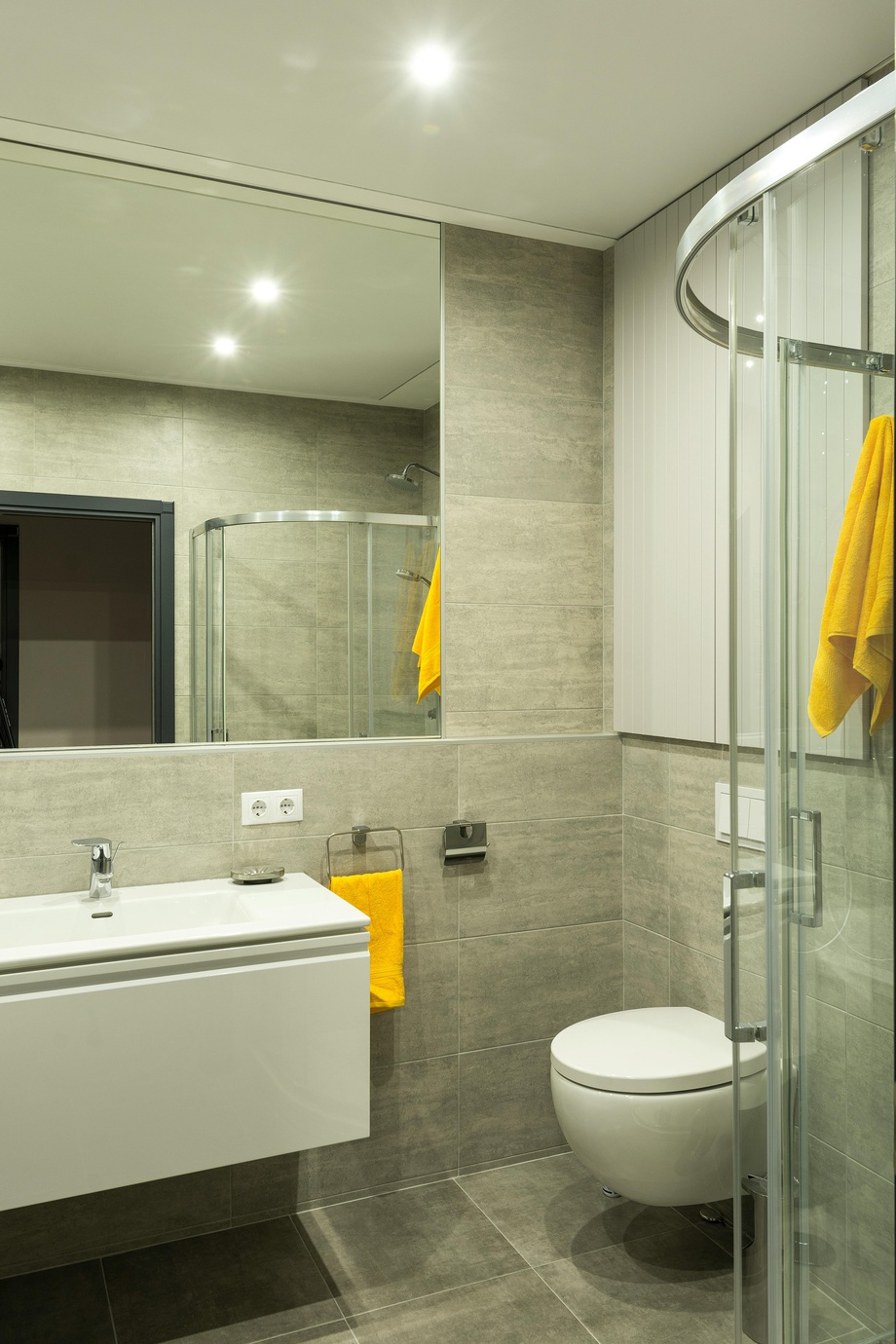
Large-format tile can make a space feel visually calmer by reducing the number of visible joints. In a smaller room, that can contribute to a cleaner, more continuous appearance.
Smaller tiles can have the opposite effect. They introduce rhythm and detail, allowing the floor to become a more noticeable part of the design.
Then there are patterns.
A subtle geometric arrangement can add personality without overwhelming the room. More expressive patterns can create a focal point, particularly in bathrooms, entryways, or other spaces where the floor has an opportunity to become part of the visual story.
Texture matters as well. A tile inspired by natural stone can introduce organic variation, while a cleaner surface can support a modern, minimalist interior.
Color is perhaps the most obvious design tool, but it is also one of the easiest to misjudge. A tile that appears neutral in a showroom may look warmer or cooler under the lighting in your home. Surrounding materials can also change how its color is perceived.
That is why tile selection should happen as part of a broader design conversation.
Think about the cabinetry, countertops, wall colors, fixtures, furniture, and natural light. The goal is not necessarily for every element to match. Instead, the materials should create a relationship that feels intentional.
Tile can also help define different zones within an open floor plan. A change in pattern or scale can visually separate spaces without requiring a physical wall.
For homeowners in Prescott, AZ, Miele Flooring can help explore tile options for remodeling projects that range from subtle updates to complete room transformations.
Tile does not simply cover a floor. It can establish rhythm, frame a space, create contrast, and influence the atmosphere of an entire room. Sometimes, changing the pattern beneath your feet is enough to change how the whole room speaks.


