Let Tile Become Part of the Story Your Home Tells
Tile has long been a practical choice for kitchens, bathrooms, and entryways, but it can do far more than provide a durable surface. The right tile can introduce movement, bring warmth to a neutral room, create a memorable focal point, or connect a home's interior to the colors and textures of the Arizona landscape.
For homeowners in Prescott, choosing tile presents an opportunity to balance regional character with personal style. Earthy colors, stone-inspired surfaces, tactile finishes, and carefully selected patterns can complement the area's natural surroundings without making a room feel overly rustic or themed. At the same time, contemporary formats and distinctive layouts offer plenty of room for a more modern interpretation.
The key is to think beyond the individual tile. Color, shape, scale, grout, lighting, and placement all influence the finished design. When these elements are planned together, tile becomes an integral part of the room rather than a last-minute material selection.
Bring the Colors of the High Desert Indoors
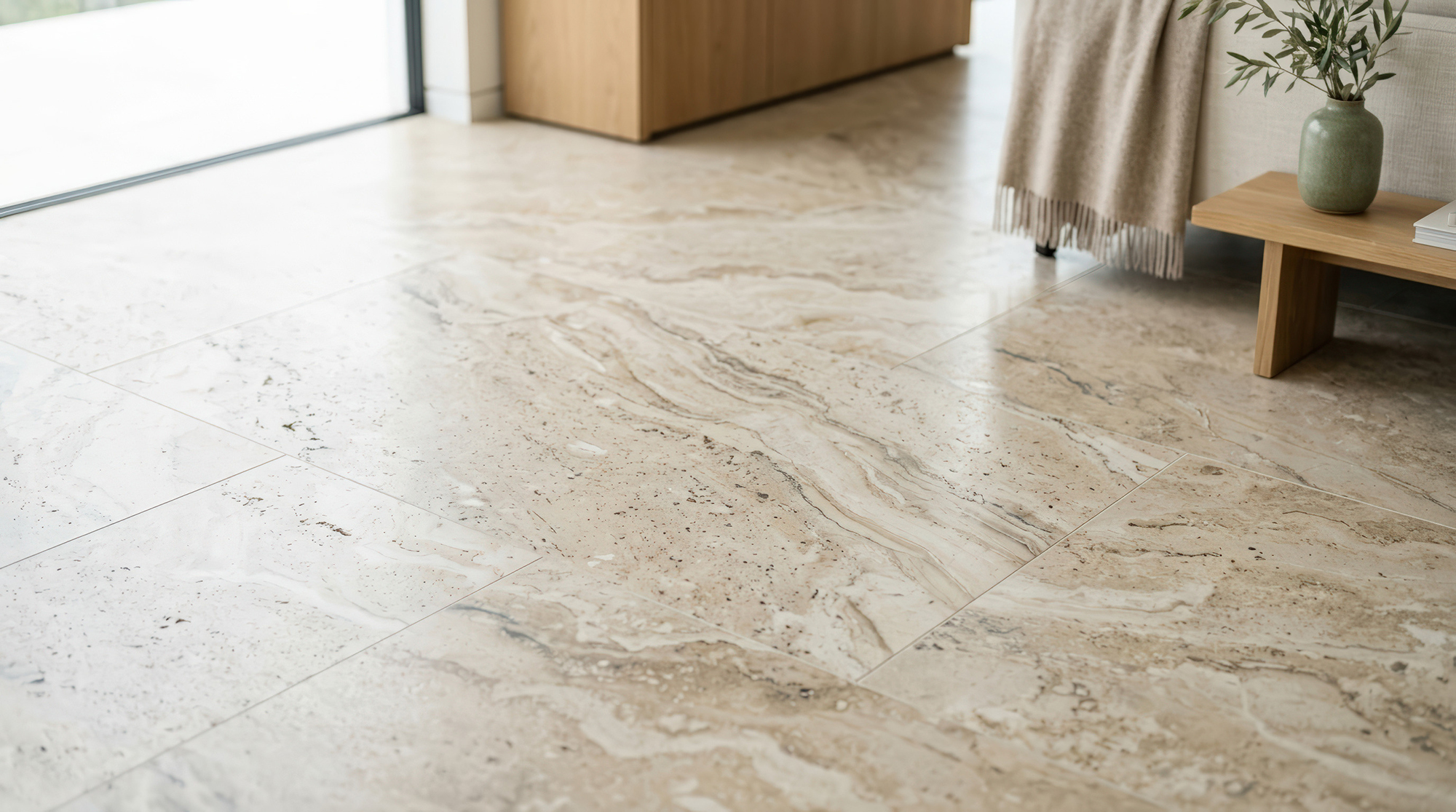
Prescott's landscape offers an appealing source of inspiration for interior finishes. Warm earth tones, muted greens, sandy neutrals, and the varied colors of natural stone can create a connection between indoor spaces and the surrounding environment.
A terracotta-inspired tile can introduce warmth to a kitchen or entryway. Sand and limestone tones can establish a calm foundation for a bathroom, while deeper brown, charcoal, or olive accents can add definition. These colors can feel natural without requiring every surface to follow the same palette.
Consider how the tile will interact with other materials. Warm-toned flooring may pair well with natural wood cabinetry, creamy walls, and brushed metal fixtures. A cooler stone-inspired tile may work better with crisp white finishes or a more contemporary palette.
Rather than choosing every material independently, select one or two dominant finishes first. Then use the remaining elements to complement them. This approach helps create a room with visual depth while avoiding a collection of competing colors and textures.
Explore the Appeal of Textured and Artisan-Inspired Tile
One direction in contemporary tile design is a move away from perfectly uniform surfaces toward materials with more visible texture, tonal variation, and handcrafted character. Artisan-inspired tiles can bring subtle irregularity to a backsplash or shower wall, making the surface feel more dimensional as light changes throughout the day.
Glossy, gently varied tiles can reflect light and add movement to a smaller area. Matte surfaces can provide a quieter, more understated appearance. Three-dimensional or fluted tile can create shadows that give a wall depth without relying on a dramatic color contrast.
These finishes are particularly effective when used selectively. A textured backsplash behind a range, a feature wall in a powder room, or a carefully designed shower accent can provide interest without overwhelming the entire space.
Texture must still be appropriate for the intended application. A tile designed for a wall may not be suitable for flooring, and heavily textured surfaces can require different cleaning routines. Before selecting a product, confirm its recommended use and maintenance requirements.
Make a Statement with Shape and Layout
Tile shape can change the character of a room even when the color remains simple. Rectangles, elongated formats, hexagons, mosaics, and other geometric shapes offer different ways to introduce visual rhythm.
A herringbone arrangement can add movement to a backsplash or selected floor area. Vertically oriented rectangular tiles may draw the eye upward on a wall, while a checkerboard pattern can give an entryway or powder room a distinctive sense of structure. Muted color combinations can soften a classic pattern, making it easier to integrate into a contemporary home.
The layout matters as much as the shape. A diagonal arrangement may create a different visual effect from a straight grid, while a carefully aligned pattern can make a room feel more orderly. The result depends on the proportions of the space, the dimensions of the tile, and how the layout meets walls, cabinets, doorways, and other architectural features.
Before installation, consider the pattern across the whole surface. A design that looks striking on a small sample may become too busy when repeated throughout a large room. Conversely, a subtle tile may gain character when the layout introduces movement.
Use Large-Format Tile for a More Continuous Look
Large-format tile is worth considering when the goal is a clean, expansive appearance. Larger pieces reduce the number of visible grout joints across a given area, which can make the floor or wall feel less segmented.
In a bathroom, large-format tile can create a more continuous visual surface across the main floor or selected shower walls. In a kitchen, it can establish a simple foundation that allows cabinetry, lighting, and furniture to take the lead.
However, larger tile requires careful planning. The substrate must be suitable, the surface needs appropriate preparation, and the layout must account for the dimensions of the room. Uneven surfaces and poorly planned cuts can be particularly noticeable with large pieces.
The tile's size also affects how it works around drains, corners, niches, and other detailed areas. Smaller formats may be more practical where the surface needs to accommodate slopes or intricate geometry. A balanced design may use large tiles on broad surfaces and smaller pieces where precision is required.
Choose Grout as a Design Element
Grout can either blend into the tile or make its pattern more prominent. A closely matched color tends to create a quieter, more continuous appearance, while contrasting grout emphasizes individual shapes and layout lines.
For example, light tile with a similar grout color can create a soft, understated surface. The same tile with a darker grout may feel more graphic and structured. Both approaches can be attractive, but the choice should support the overall design rather than compete with it.
Grout selection is not purely decorative. The type of grout, joint width, tile material, and location all influence the appropriate product and installation method. Wet areas require particular attention to the complete tile assembly, including substrate preparation, waterproofing, and movement joints where needed.
Maintenance should also be considered. Some grout colors and finishes may show certain types of staining more readily than others, and the correct cleaning approach depends on the materials used. Discuss these factors before finalizing the design.
Let the Backsplash Connect the Kitchen Together
A kitchen backsplash provides an opportunity to introduce color, texture, or pattern without committing to a highly decorative finish across the entire room.
If the cabinets and countertops already feature strong patterns or pronounced grain, a simpler backsplash may create balance. If the cabinetry is understated, a distinctive tile shape, textured finish, or carefully chosen accent color can give the kitchen more personality.
The relationship between the backsplash and countertop deserves particular attention. These surfaces meet directly, so their undertones and patterns should complement each other. A sample of each material placed side by side can reveal clashes that may not be obvious when viewed separately.
Lighting also affects the result. Under-cabinet lights can emphasize the texture of a tile, highlight grout lines, or change the appearance of a glossy surface. Evaluate the chosen materials under the type of lighting that will be installed in the finished kitchen.
Explore Miele Flooring's
tile options as you consider the colors, shapes, and finishes that could work with your kitchen design.
Build a Bathroom Around One Memorable Surface
Bathrooms often benefit from a clear visual focus. Instead of using several competing patterns, choose one surface to establish the character of the room.
A patterned floor can add personality while the walls remain relatively quiet. A textured shower wall can become the main feature when paired with simple flooring and understated fixtures. A restrained palette of natural-looking tile can also create a relaxing atmosphere without relying on elaborate decoration.
The practical requirements of the room should guide the selection. Floor tile must be appropriate for the expected foot traffic and wet conditions, while shower installations require suitable waterproofing and drainage. Surface texture, tile size, and grout selection should be considered together rather than as separate decisions.
Miele Flooring's
bathroom remodeling services provide a starting point for homeowners who want to explore how tile and other design elements can work together in a larger project.
Consider How Light Changes the Finished Surface
Tile is affected by both natural and artificial light. A glossy tile may reflect light and appear brighter, while a matte tile may create a softer, more subdued effect. Textured surfaces can cast small shadows that change with the position of the light source.
In rooms with strong natural light, color and texture may appear more pronounced at certain times of day. In windowless bathrooms or darker kitchens, lighting can become an especially important part of the design.
Whenever possible, examine samples in the room where they will be installed. Place them beside the cabinets, countertops, paint colors, and fixtures that will remain. This helps reveal undertones and surface contrasts before the materials are permanently installed.
Plan the Installation as Carefully as the Design
A distinctive tile design depends on accurate preparation and installation. Subfloor condition, wall flatness, layout measurements, edge cuts, grout joints, and transitions all affect the finished appearance.
Before work begins, determine where the pattern should start and how it will meet the room's boundaries. A centered layout may suit a symmetrical room, while an offset arrangement may make more sense when cabinets or fixed features determine the main sightlines.
It is also important to confirm the selected tile's application requirements. Not every product is intended for floors, showers, or exterior areas, and the correct installation materials can vary by tile type and location.
Find a Tile Style That Feels Right for Your Home
The most successful tile design is not necessarily the boldest or the most fashionable. It is the one that suits the home's architecture, supports the way the room is used, and continues to feel appealing after the initial excitement of a renovation has passed.
By exploring warm desert-inspired colors, expressive shapes, large-format surfaces, and carefully coordinated grout, Prescott homeowners can create spaces with personality and purpose. The right design can be subtle or striking, but it should always feel intentional.
To discuss tile options and renovation ideas with Miele Flooring, visit the
contact page. A well-planned tile project begins with understanding the space, comparing suitable materials, and deciding which details deserve to stand out.